




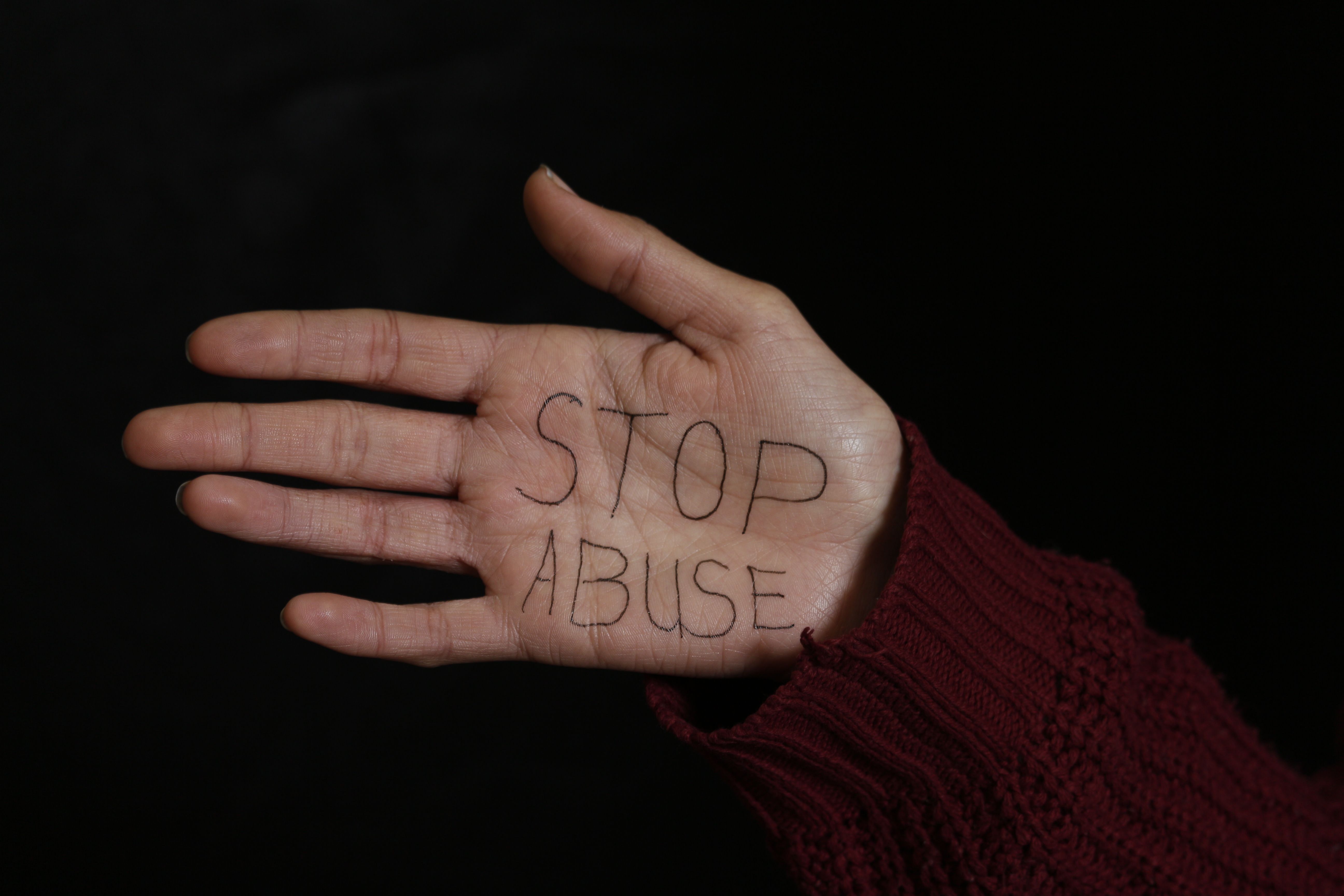
DALLAS — October 12, 2026 — Dallas County District Attorney candidate Eric Reed today pledged to make the principles of the Violence Against Women Act central to the prosecution of domestic violence, sexual assault, dating violence and stalking cases.
First enacted in 1994 and most recently reauthorized in 2022, the Violence Against Women Act strengthened the nation’s response to gender-based violence by supporting coordinated work among prosecutors, law enforcement, courts, victim advocates and community organizations. The law also provides federal resources for victim services, prosecution, training and prevention.
“VAWA forced the justice system to confront violence that had been minimized, excused or hidden behind closed doors for generations,” Reed said. “Violence inside a home or intimate relationship is not a private matter. It can destroy families, endanger children and escalate into lethal violence. The District Attorney’s Office must treat these cases with the seriousness, preparation and urgency they demand.”
Although the law is called the Violence Against Women Act, its protections are not limited to women. Domestic and sexual violence can affect anyone. Reed said every survivor deserves equal access to protection and justice.
VAWA does not transfer federal prosecutorial authority to a local district attorney, but it provides standards, training, funding opportunities and a framework that local prosecutors can use to strengthen their response to domestic violence, sexual assault, dating violence and stalking.
As District Attorney, Reed would direct the office to:
• Strengthen specialized prosecution and training. Prosecutors assigned to these cases would receive continuing instruction on trauma, coercive control, strangulation, stalking, technology-facilitated abuse and the evidentiary challenges common in domestic violence and sexual assault cases.
• Improve coordination. The office would work closely with law enforcement, courts, victim advocates, medical professionals, shelters, tribal governments and community service providers to prevent survivors from being lost between agencies.
• Build cases carefully and independently. Prosecutors would use available physical evidence, digital records, witness statements, medical documentation and other admissible evidence rather than placing the entire burden of prosecution on a survivor.
• Prioritize survivor safety. Prosecutors would communicate clearly with survivors, assess escalating danger, enforce protective orders and seek appropriate release conditions when a defendant poses a continuing threat.
• Pursue available federal resources. The office would identify and compete for VAWA-related grants that can strengthen prosecution, training, victim assistance and coordinated community responses.
Reed has previously put many of those principles into practice. His work as a tribal prosecutor and clinical assistant district attorney in Bernalillo County, New Mexico, helped shape a pioneering approach that combined prosecution with intervention and prevention. Rather than treating each incident of family violence as an isolated case, the program sought to protect victims, hold offenders accountable and address the conditions that allowed abuse to continue.
Using a modified version of the Duluth model, the program incorporated substance-use treatment, psychological care, behavioral counseling and social services. Participants received help developing communication, parenting and relationship skills, along with access to employment opportunities, literacy and GED programs, vocational training and college preparation. The work was conducted within a traditional cultural framework as part of the broader Healthy Nations initiative to build safer and healthier tribal communities.
“A survivor should not have to carry a prosecution alone,” Reed said. “Fear, trauma, financial dependence and concern for children can affect whether someone feels able to participate in a case. Prosecutors must understand those realities while still following the evidence, respecting constitutional rights and meeting the burden of proof.”
The U.S. Department of Justice has issued a framework encouraging prosecutors to build provable domestic violence and sexual assault cases through a trauma-informed approach that treats victims with humanity while protecting due process. Reed said those principles should be reflected in Dallas County’s charging decisions, case preparation and communication with survivors.
“Commitment to VAWA cannot be measured by a statement on a website,” Reed said. “It must be visible in the training prosecutors receive, the cases the office is prepared to prove, the partnerships it maintains and the way survivors are treated from the first report through the final disposition.”
About Eric Reed for District Attorney:
Eric Reed is a Dallas trial attorney and former prosecutor with more than three decades of experience in criminal law, federal and tribal courts, and complex litigation. He is running as a write-in candidate for Dallas County District Attorney on a commitment to Promote Public Safety • Demand Fairness • Ensure Accountability.
To vote for Eric Reed, select the write-in option in the Dallas County District Attorney race and enter the name Eric Reed.
For more information, visit www.WriteinReed.com.
Media Contact: media@writeinreed.com